
Can You Put Polystyrene In A Compactor?
Does Polystyrene Work In A Compactor?
Polystyrene, a commonly used plastic in packaging and insulation, often raises questions regarding its disposal. One frequently asked question is whether you can put polystyrene in a compactor. This article delves into the details, providing waste management tips and highlighting critical considerations for proper polystyrene disposal.
Understanding Polystyrene
Polystyrene, a lightweight material known for its versatility and widespread use, can pose disposal challenges due to its non-biodegradable nature. Understanding these properties is crucial when considering their disposal options.
Composition and Characteristics
Polystyrene is a synthetic polymer derived from petroleum. Its unique properties, such as being lightweight, durable, and moisture-resistant, make it ideal for various applications, including:
- Protective Packaging: Used for fragile goods like electronics and picture frames.
- Insulation: Common in the construction and food industries.
- Food Packaging: Found in disposable coffee cups, takeaway containers, and fish boxes.
Types of Polystyrene Waste
- Expanded Polystyrene (EPS)
Known for its airy, foam-like structure, EPS is used extensively in protective packaging. Its low density presents challenges in waste disposal, as it takes up substantial space in landfills. - Extruded Polystyrene (XPS)
Denser and more rigid, XPS is used in construction for thermal insulation, offering durability and long-term performance.
Loose Polystyrene Waste
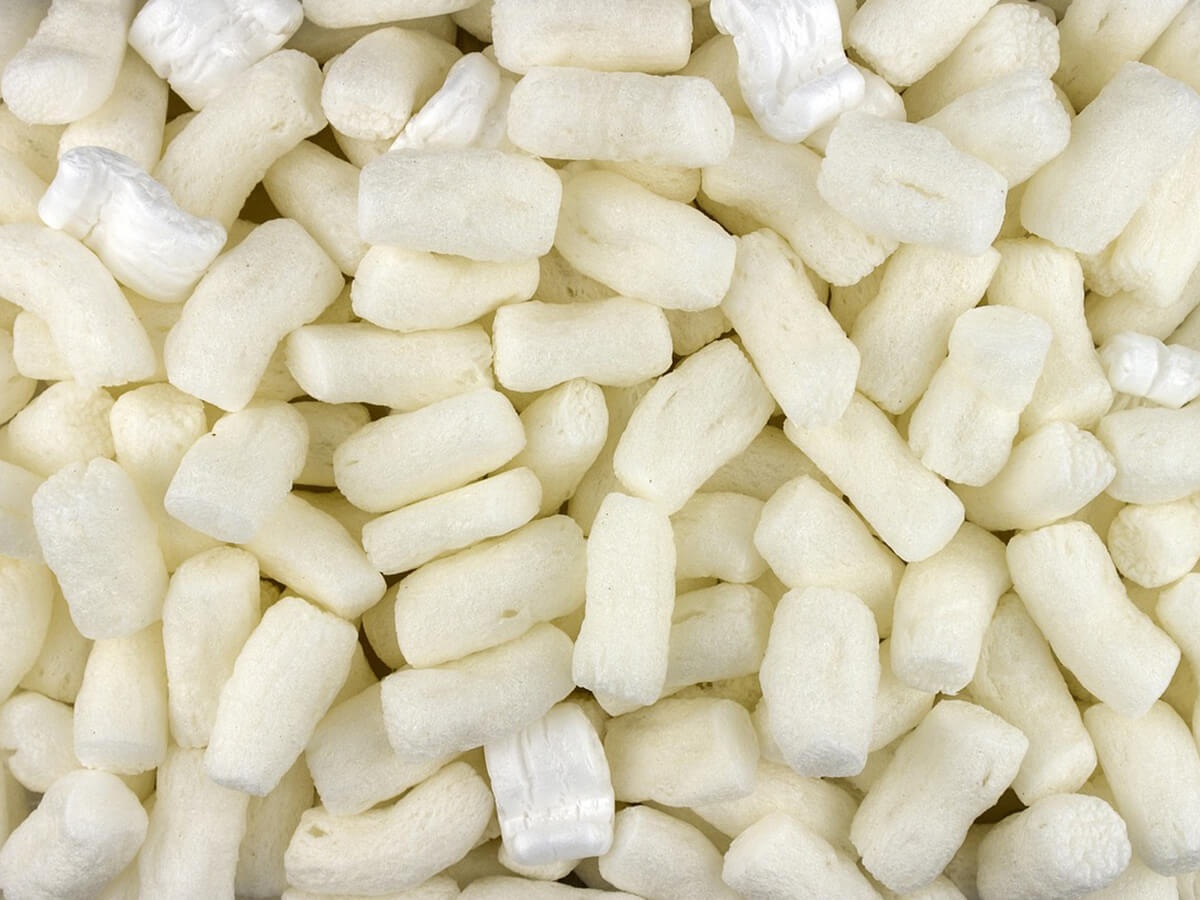
Includes packing peanuts and fragments, which are harder to handle due to their tendency to scatter, making them a common source of pollution.
Compacting Polystyrene: Is It Possible?
The straightforward answer is yes, you can put polystyrene in a compactor, but there are better choices. Here’s why:
Risks of Compacting Polystyrene
Compacting polystyrene can significantly reduce its volume, making it easier to handle and transport. However, since it’s not biodegradable, compacted polystyrene can still occupy considerable landfill space, contributing to long-term environmental issues.
When polystyrene is compacted, it doesn’t break down or degrade. Instead, it remains compact, taking up space and potentially causing problems in waste management systems. This underscores the need for sustainable disposal methods.
While polystyrene can be compacted, it’s essential to remember that not all items are suitable for compactors. Materials like hazardous waste, glass, and certain plastics can damage the machinery or pose safety risks.
Polystyrene can be compacted, but specialised equipment is often required for efficient processing. Compacting polystyrene into dense blocks reduces its volume, facilitating easier handling, storage, and transport. This approach is widely used in industries with high volumes of polystyrene waste, such as logistics, food services, and modern manufacturing facilities.
Limitations
While compacting is practical, it doesn’t address the following:
- Non-Biodegradability: Compacted polystyrene remains a long-term pollutant if sent to landfills.
- Potential Contamination: Mixed waste streams can complicate the recycling process, reducing the efficiency of waste disposal systems.
- Marine and Waterway Pollution: Improperly disposed of polystyrene can enter nearby water supplies, breaking into plastic particles harmful to marine life.
Environmental Impact
Understanding the environmental impact of polystyrene is key to addressing its waste management challenges. Polystyrene contributes to:
- Greenhouse Gas Emissions: Improper disposal methods, like incineration, release carbon dioxide and other harmful gases.
- Landfill Overcrowding: Bulky polystyrene packaging occupies significant space, hindering effective waste sorting.
How to Mitigate Its Impact
- Adopt Alternatives: Use biodegradable or recyclable materials in place of polystyrene.
- Practice Responsible Waste Management: Invest in compactors and recycling programs to minimise bulk to landfills.
- Raise Awareness: Encourage businesses and households to follow proper waste sorting guidelines.
Operational Challenges
- Specialised Equipment
Not all compactors are designed for polystyrene. Using inappropriate machinery can lead to damage or inefficiency. - Material Limitations
Variations in polystyrene types, such as EPS and XPS, may require adjustments in compaction techniques, as their densities and compositions differ.
Industry-Specific Challenges
Different industries face unique challenges when managing polystyrene waste. Tailored solutions are essential to address each sector’s specific needs.
Food Industry
Polystyrene food packaging, such as takeaway containers and trays, is lightweight and cost-effective but generates significant waste. The food services industry can:
- Invest in compactors to manage large volumes of polystyrene waste.
- Explore biodegradable packaging options to replace polystyrene.
- Partner with recycling facilities for a responsible waste management strategy.
Construction Sector
Expanded and extruded polystyrene are commonly used as insulation materials in the building industry. These materials generate bulky waste that requires efficient handling. Compacting and recycling construction waste can:
- Reduce unnecessary transport costs.
- Free up valuable storage space on-site.
- Align with sustainability goals by reusing materials in future projects.
Electronics Manufacturing
Electronics manufacturers often rely on polystyrene foam for protective packaging. To manage waste effectively, this sector can:
- Utilise compactors to produce manageable blocks for recycling.
- Collaborate with national recyclers to transform waste into raw materials.
Advantages of Compacting Polystyrene
- Volume Reduction
Compacting reduces the space occupied by polystyrene by up to 90%, transforming bulky materials into manageable blocks or bales. - Cost Savings
Compacting reduces waste disposal costs and the frequency of waste collection pickups, leading to financial benefits for businesses. - Improved Efficiency in Waste Streams
Dense blocks of compacted polystyrene streamline the loading of waste collection vehicles, optimising transport and reducing unnecessary transport costs.
A Better Alternative
Recycling is a more sustainable way to handle polystyrene waste. Unlike traditional disposal methods, recycling transforms waste polystyrene into reusable raw materials, reducing environmental harm and creating additional revenue streams for businesses.
Business Benefits
Switching to alternatives supports sustainability goals and enhances a company’s commitment to responsible waste management. And by prioritising sustainability in their supply chains, businesses can inspire change and encourage customers to adopt eco-friendly practices. WHS Ltd helps organisations communicate their commitment to sustainability through waste management strategies.
Polystyrene Recycling Options
Given the environmental impact, polystyrene recycling is a more sustainable option. Here are some tips for recycling polystyrene.
Polystyrene Recycling Centres
Many local recycling centres accept polystyrene. Check with your local facilities to see if they can handle it and their specific drop-off requirements.
These facilities process polystyrene into forms suitable for reuse in manufacturing:
- Compact Blocks: Polystyrene compactors can prepare waste for recycling by creating dense, dry polystyrene bales.
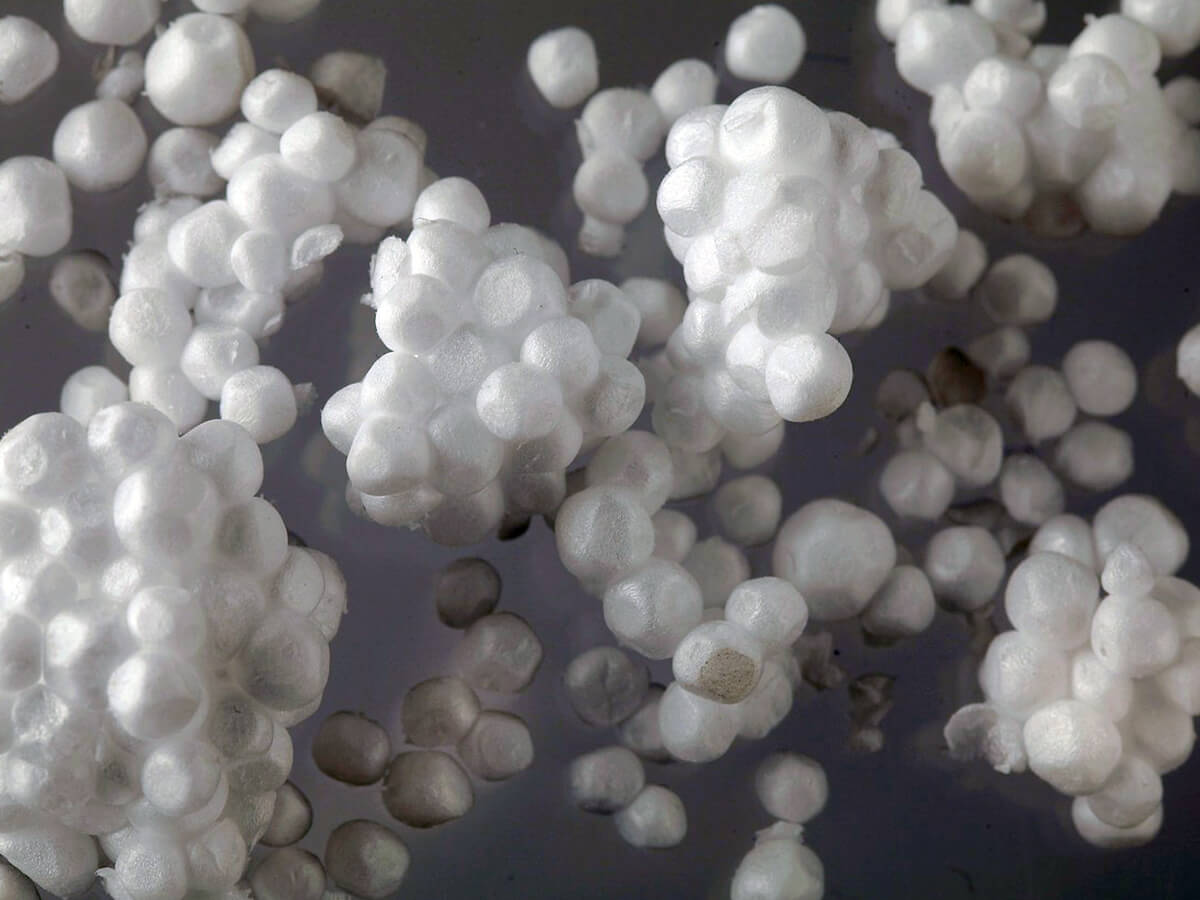
- Pelletisation: Recycled polystyrene is often converted into pellets for various production processes.
Waste Handling Solutions Role in Recycling
WHS Ltd offers comprehensive waste management solutions, including a range of polystyrene compactors to facilitate recycling. Their expertise in the recycling process helps businesses achieve sustainability goals and minimise waste disposal costs.
How to Locate a Centre
Your nearest household waste recycling centre may accept polystyrene waste. WHS Ltd. offers resources and expertise to help you identify recycling facilities that handle large volumes of polystyrene waste.
Criteria for Acceptance
- Cleanliness: Only uncontaminated polystyrene is suitable for recycling.
- Form: Many facilities prefer compacted blocks or raw material forms for easier processing.
Packing Polystyrene Peanuts Recycling Options
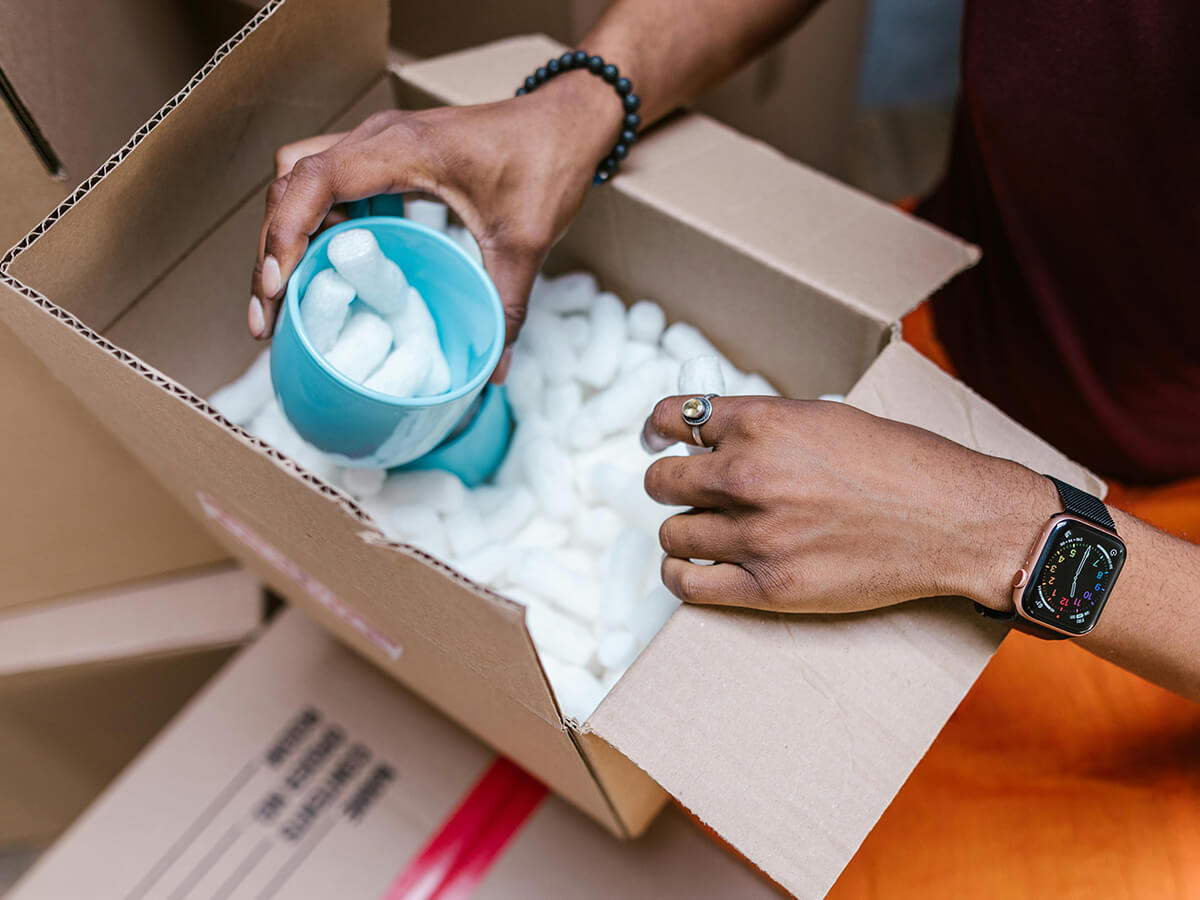
Polystyrene packing peanuts can often be reused or recycled. Some shipping companies and recycling centres accept them, so consider these alternatives before disposal.
Reuse and Redistribution
Packing peanuts, often made from expanded polystyrene, are highly reusable. Many businesses, such as delivery services and logistics companies, encourage their reuse. Delivery staff and shipping companies accept clean packing peanuts for reuse, extending their shelf life and reducing waste disposal costs.
Drop-Off Locations
Certain recycling centres and shipping companies accept packing peanuts for recycling or redistribution, allowing businesses to integrate them into their supply chains. The food industry and modern manufacturing facilities benefit significantly from adopting responsible waste management practices for such materials.
Safe Alternatives to Polystyrene Packaging
Consider using eco-friendly packaging materials to reduce polystyrene waste. Biodegradable and recyclable options are increasingly available and can significantly decrease environmental impact.
Eco-Friendly Packaging Solutions
- Biodegradable Materials: Compostable options made from plant-based fibres.
- Recyclable Plastic Packaging: Adaptable plastic solutions that reduce waste and environmental impact.
Alternatives to Polystyrene
Businesses and households can explore eco-friendly alternatives to reduce reliance on polystyrene. Modern manufacturing facilities now produce biodegradable and recyclable plastic packaging, ideal for replacing traditional polystyrene products.
Popular Alternatives
- Paper-Based Packaging: Suitable for food services industries, reducing the waste stream of polystyrene food packaging.
- Moulded Pulp Products: Often used in protective packaging for electronics and picture frames.
- Compostable Materials: Offer a clean process and align with responsible waste management practices.
By adopting these alternatives, companies can demonstrate their commitment to sustainability while reducing waste disposal costs.
Why Choose Recycling Over Compacting?
Recycling is a more sustainable alternative to compacting. Polystyrene can be repurposed into new products, such as:
- Insulation materials.
- Recycled plastic components.
- Decorative items like picture frames.
Recycling Process
- Collection: Gather clean and dry polystyrene materials to ensure they are contaminant-free.
- Sorting: Separate polystyrene from other types of plastic and waste streams.
Processing: Convert polystyrene into a reusable raw material, often by melting it into pellets.
Household Waste Sorting Guide
Proper waste sorting can significantly improve waste management. Here are some household waste sorting guide tips for polystyrene.
Proper sorting of polystyrene at home can significantly improve recycling rates. Follow these tips:
- Separate Polystyrene from Other Plastics: Avoid mixing with PET or HDPE plastics.
- Clean Before Disposal: Ensure polystyrene is free of food residues.
- Check Local Guidelines: Contact your council to confirm what types of polystyrene are accepted.
Tips for Sorting Polystyrene
- Identify the Type: Check for recycling symbols on packaging to determine whether the material is recyclable.
- Clean and Dry: Ensure all polystyrene is free from food waste and moisture before recycling.
- Separate Bulky Items: Break large pieces into manageable blocks to facilitate collection and transport.
Household Recycling Options
Households can take polystyrene waste to the nearest household waste recycling centre. However, due to processing challenges, not all centres accept polystyrene. Always check with your local council for specific guidelines.
Sorting Polystyrene at Home
- Separate polystyrene from other household waste.
- Ensure materials are clean and dry before recycling.
- Contact your nearest household waste recycling centre to confirm they accept polystyrene.
Reusing Polystyrene
Instead of discarding polystyrene, consider creative ways to reuse it:
- Packing Material: Reuse polystyrene foam for shipping or storage purposes.
- Craft Projects: Use polystyrene blocks for DIY projects or school crafts.
- Insulation: Repurpose polystyrene as insulation for small household projects.
Can You Recycle Polystyrene?
Not all recycling programs accept polystyrene. Check with your local council for specific guidelines on polystyrene recycling.
Do Council Recycling Collections Accept Polystyrene?
Many recycling programs do not accept polystyrene due to contamination issues and processing challenges. It’s best to verify with your local service provider.
Recycling polystyrene is feasible but depends on local infrastructure. Due to the complexity of its recycling process, councils and national recyclers vary in their capacity to handle this material.
Challenges with Council Collections
Polystyrene is often excluded from curbside recycling due to contamination risks and the cost of processing.
Alternative Solutions
- Specialist Recyclers: Partner with companies like WHS Ltd., which have the equipment and expertise for polystyrene recycling.
- Drop-Off Points: Many centres accept polystyrene for recycling if delivered in compacted or clean forms.
Promoting Sustainability
Reducing dependency on polystyrene is a proactive step toward sustainability. Businesses and consumers can explore a wide range of eco-friendly alternatives:
- Cardboard Packaging: A recyclable and compostable option.
- Plant-Based Materials: Biodegradable packaging made from agricultural waste.
- Recyclable Plastics: Adaptable plastic solutions that meet modern sustainability goals.
How to Dispose of Bulky Polystyrene Packaging
For large polystyrene items, consider taking them directly to a recycling centre. Breaking them down into smaller pieces can also make them easier to manage.
Large polystyrene items, such as packaging for appliances, require special attention:
- Break into Smaller Pieces: Reduces bulk for easier transportation.
- Contact Recycling Centres: Enquire about disposal options for oversized polystyrene materials.
- Use Waste Compactors: Compact bulky items into dense blocks for streamlined disposal.
The Role of Technology in Polystyrene Disposal
Advancements in technology have revolutionised the way we manage polystyrene waste. From sophisticated compactors to cutting-edge recycling methods, innovative solutions are making it easier to handle and recycle polystyrene in environmentally friendly ways.
Automation in Waste Management
Modern waste management facilities increasingly rely on automation to optimise handling polystyrene and other waste materials. Automated systems can:
- Streamline Sorting: Advanced sensors separate polystyrene from other recyclable plastics, improving recycling efficiency.
- Optimise Compaction: Automated compactors adjust pressure and density to produce compacted blocks suitable for recycling.
Track Waste Volumes: Digital monitoring systems help businesses assess the amounts of polystyrene waste generated, enabling better planning and sustainability reporting.
Waste Disposal Regulations in the UK
In the UK, stringent waste disposal regulations aim to reduce landfill waste and promote recycling. Familiarise yourself with local regulations to ensure compliance and support environmental sustainability.
Adhering to local waste disposal regulations is not just a legal requirement but a crucial step in managing waste effectively and minimising environmental impact. We all share the same responsibility to promote ecological sustainability.
- Waste Disposal Costs: Businesses must account for their waste’s financial and environmental implications.
- Recycling Targets: Adhering to recycling goals helps reduce waste collection costs and supports sustainability.
Key Regulations
- Landfill Tax: Designed to reduce the amount of waste sent to landfills, encouraging recycling initiatives.
- Extended Producer Responsibility (EPR): Requires manufacturers to manage the waste created by their products, including polystyrene materials.
- Household Recycling Targets: Local councils aim to meet national recycling goals by improving waste sorting and collection systems.
WHS Ltd stays current with these regulations, offering waste compactors and recycling solutions that comply with UK laws.
Differences Between Polystyrene and Recyclable Plastics
Understanding the differences between polystyrene and other recyclable plastics can help ensure their proper disposal. Council programs often accept recyclable plastics while polystyrene may require special handling.
Polystyrene
- Lightweight but bulky, making it harder to process.
- Requires specialised recycling facilities.
Recyclable Plastics
- More universally accepted in recycling programs.
- Includes materials like PET and HDPE, commonly used in household products.
Polystyrene vs Other Plastics
- Lightweight Nature: Polystyrene is more prone to breaking into smaller plastic particles, complicating recycling.
- Recycling Challenges: Unlike recyclable plastic packaging, polystyrene foam waste requires advanced recycling techniques.
- Applications: Polystyrene is widely used in protective packaging, while recyclable plastics are often found in bottles and containers.
The Future of Polystyrene Waste Management
As sustainability becomes a central focus, the future of polystyrene waste management will likely involve greater innovation and collaboration across industries. Emerging trends include:
- Biodegradable Polystyrene Alternatives: Research into plant-based polymers could replace traditional polystyrene in packaging and insulation.
- Enhanced Recycling Infrastructure: Investments in recycling facilities will improve accessibility and processing capabilities.
- Government Incentives: Policies encouraging the use of recyclable plastics and alternatives to polystyrene may drive further adoption of sustainable practices.
Waste Handling Solutions Ltd. remains committed to staying at the forefront of these developments, providing clients with the tools and knowledge to navigate the evolving waste management.
By combining technological innovation, education, and a commitment to sustainability, we can collectively address the challenges of polystyrene waste and create a cleaner, greener future.
Conclusion
While you can put polystyrene in a compactor, there are better options than this due to its non-biodegradable nature and landfill space consumption.
Polystyrene recycling, proper sorting, and adhering to waste disposal regulations can significantly mitigate its environmental impact. By considering safe alternatives to polystyrene packaging and utilising recycling centres, you can contribute to a more sustainable waste management system.
Recycling remains a more effective and eco-friendly alternative. With WHS Ltd.’s extensive knowledge and resources, businesses and individuals can adopt better waste management practices, contributing to a cleaner, more sustainable future. Whether through compacting, recycling, or switching to biodegradable alternatives, the choice to act responsibly lies with us all.
Why Choose WHS for Your Polystyrene Waste Management?
At Waste Handling Solutions Ltd (WHS), we bring over 20 years of experience in providing tailored waste management solutions that prioritise sustainability, efficiency, and cost-effectiveness. From compacting polystyrene into manageable blocks to helping businesses adopt sustainable recycling practices, we offer innovative tools and expert advice to reduce environmental impact and meet compliance standards.
Our specialised equipment, including polystyrene compactors, is designed to simplify waste handling, reduce volume, and optimise your waste disposal processes. With a commitment to sustainability, we also assist businesses in transitioning to eco-friendly packaging alternatives and ensuring compliance with the latest UK waste disposal regulations.
By choosing WHS, you’ll gain access to industry-leading expertise, cutting-edge technology, and a team dedicated to helping your business meet its waste management and sustainability goals.
Are you ready to improve your waste management strategy? Contact WHS today on 01454 228899 to discuss how our equipment and services can support your business. Together, we can create a cleaner, more sustainable future.